Your marathon fuelling plan
The short answer: eat a carbohydrate-rich breakfast 3 to 4 hours before the start, sip a drink up to the gun, take 2 to 3 energy gels an hour from the start, drink as the weather demands, and have a recovery drink as soon as you finish.
Why a plan matters
Carbohydrate supplies about two thirds of the energy you burn in a marathon, but your body stores only a limited amount. As it runs low, your pace falls and you can "hit the wall". A plan lets you top up steadily instead of trying to rescue the race in the last 10 km. Nothing in it should be new on race day: practise every step on your long runs.
The days before
In the last two or three days, eat extra carbohydrate and keep your training light. Our guide to carb loading shows how to reach your target without feeling stuffed. Choose foods you know well, drink regularly, and sleep well. Avoid very high-fibre foods close to the race, which can upset your stomach.
Race morning
- 3 to 4 hours before the start: a light, carbohydrate-rich breakfast. Porridge, peanut butter on toast or pancakes work well. Keep fat and fibre modest.
- 1 to 2 hours before: a small carbohydrate snack if you are hungry, such as a banana.
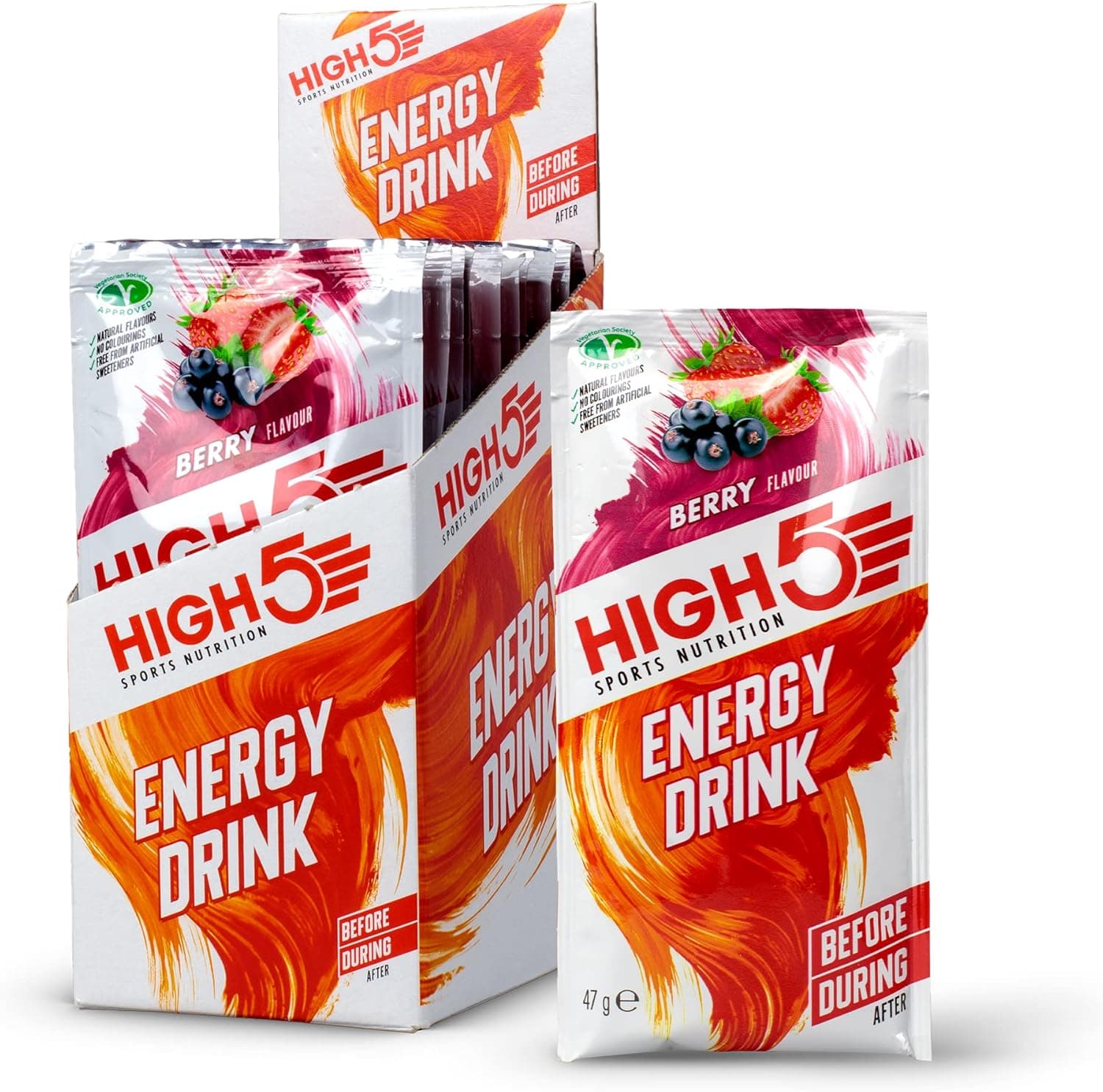
- Until the start: about 500 ml of Energy Drink, mixed in your own bottle. It adds carbohydrate and helps you start well hydrated.
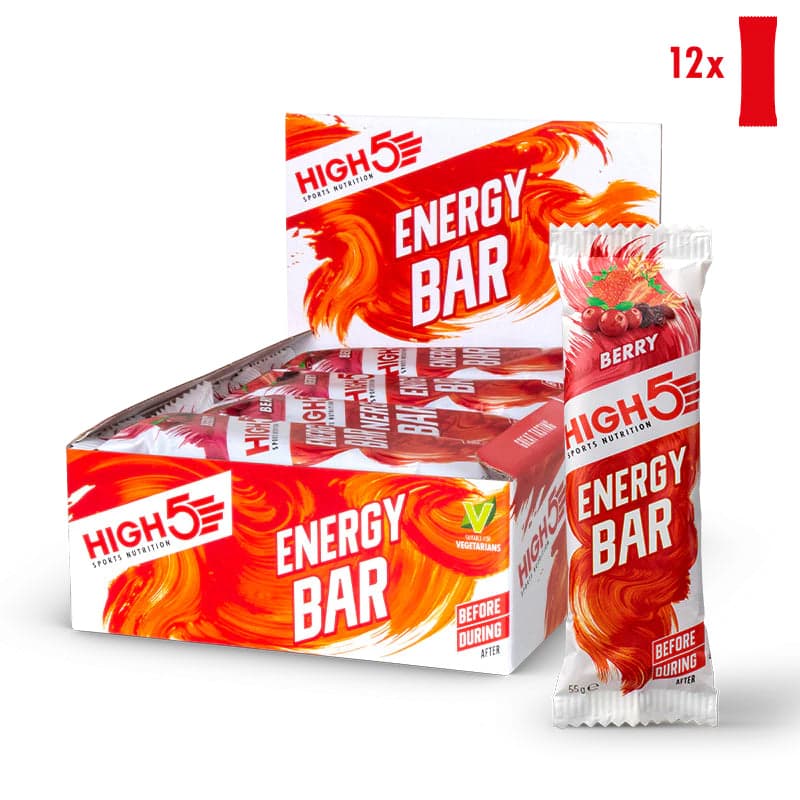
- On the way to the start: an Energy Bar is an easy extra if you have a long wait.
In Hong Kong, many races start very early to beat the heat, so work back from the start time and practise your early breakfast on training days.
During the race
Aim for 60 to 90 g of carbohydrate an hour from the start.
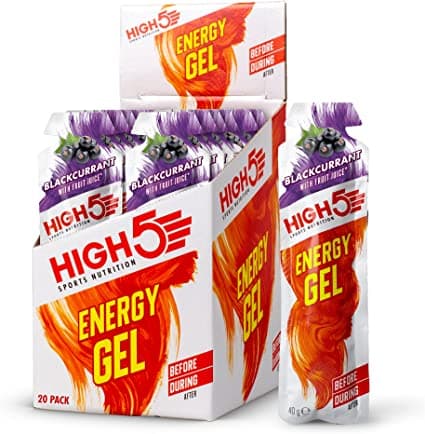
- Gels: one every 30 minutes if you are new to them, one every 20 minutes if you are experienced. Our gel guide explains the numbers.
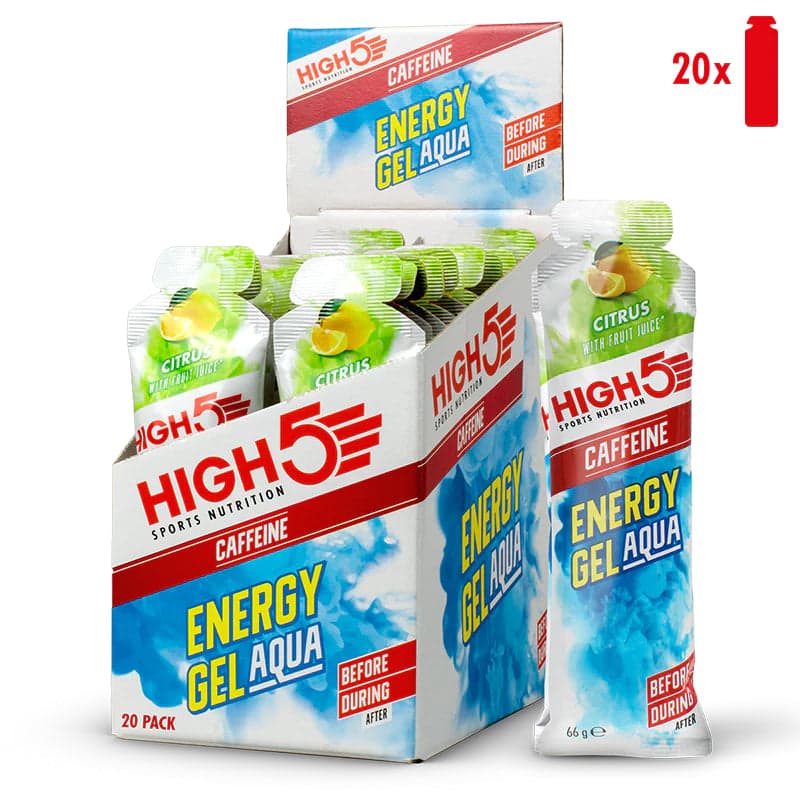
- Alternate gels with and without caffeine. A caffeinated gel such as Energy Gel Aqua Caffeine suits the later part of the race. Keep total caffeine to about 3 mg per kg of body weight, and skip it if you are pregnant, breastfeeding, under 18 or have a medical condition such as high blood pressure.
- Fluids: how much depends on the temperature and how much you sweat. If the course only has water, carry your own drink or add an electrolyte tablet to your bottle; see electrolytes for Hong Kong heat. If you use the sports drink on the course, count its carbohydrate and take fewer gels.
- Do not overdo it: more than about 90 g of carbohydrate an hour may upset your stomach. If three gels an hour feels too much, take what is comfortable.
Gel or Gel Aqua?
Both do the same job. Energy Gel Aqua is lighter and more like a drink; Energy Gel is more compact, which helps if you carry many. Try both in training.
After the finish
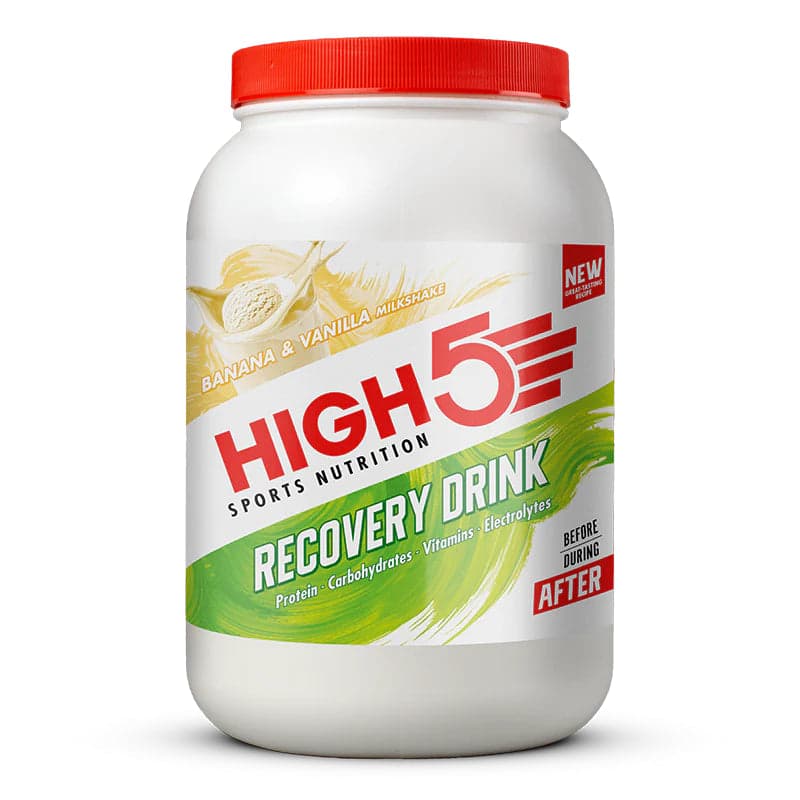
Drink about 400 ml of Recovery Drink as soon as you can, another 400 ml one to two hours later, and eat a balanced meal as soon as possible. If you cannot manage a proper meal within about 45 minutes, a recovery drink gives you carbohydrate and protein. More ideas in what to eat after a run.
Get the products in Hong Kong
See where to buy High5 in Hong Kong, or order from Streamline Sports. These are general guidelines from High5, not medical advice; if you have a health condition, check with your doctor first.
Common questions
What should I eat on the morning of a marathon?
A light, carbohydrate-rich breakfast 3 to 4 hours before the start, such as porridge, peanut butter on toast or pancakes. Keep fat and fibre low, and only eat foods you have tried before long runs.
How much should I take in during a marathon?
Aim for 60 to 90 g of carbohydrate an hour from the start, using gels, a carbohydrate drink or bars. Taking much more than that may upset your stomach.
What should I have after finishing a marathon?
About 400 ml of a recovery drink as soon as you finish, another 400 ml one to two hours later, and a balanced meal with carbohydrate and protein as soon as you can.