How to carb load before a race
The short answer: for the two days before a long event, aim for about 10 g of carbohydrate per kilogram of body weight a day (700 g for a 70 kg athlete, or as close as you can get), start easing training 4 to 5 days out, and use Energy Drink and Energy Bars to reach the target without eating huge meals.
What carb loading does
Carb loading is a way to fill your muscles with as much stored carbohydrate (glycogen) as possible before a long event, such as a marathon, a half Ironman or a long ride. High5's guide says a well-done carb load can increase your carbohydrate stores by 30% or more. You do not need to starve yourself first or change your whole diet: the method below does not need a depletion phase.
It is not needed for a 5K or 10K. For events that last well over an hour, it is worth practising.
The three-day method
- 4 to 5 days before: reduce your mileage or training load.
- Three days out: start eating more carbohydrate than usual.
- Two days before and the day before: aim for about 10 g of carbohydrate per kg of body weight each day.
- Keep your normal routine otherwise: no new foods, plenty of fluid, and an early night.
Why it is hard
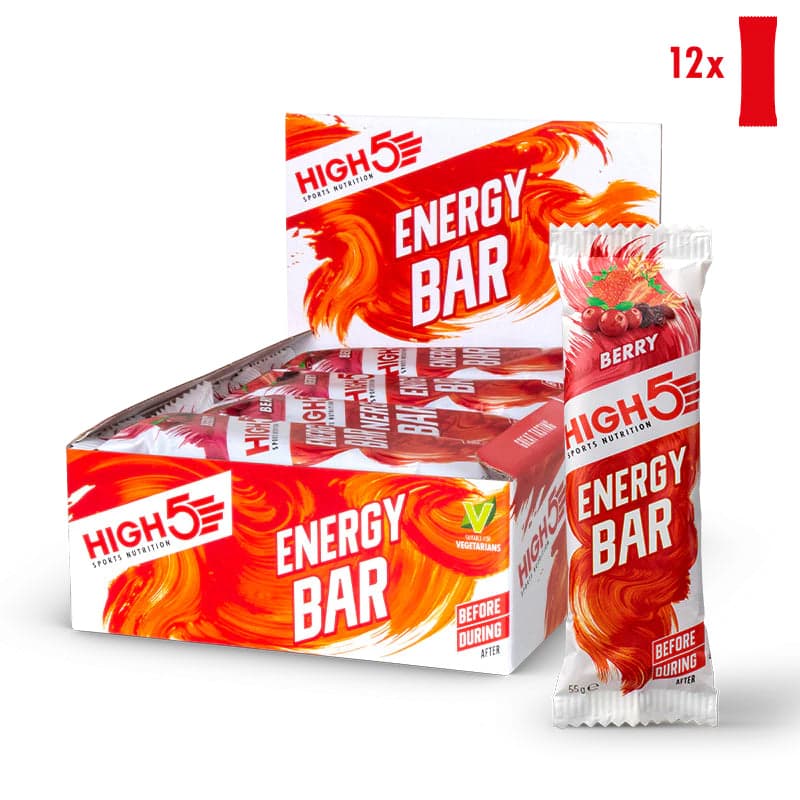
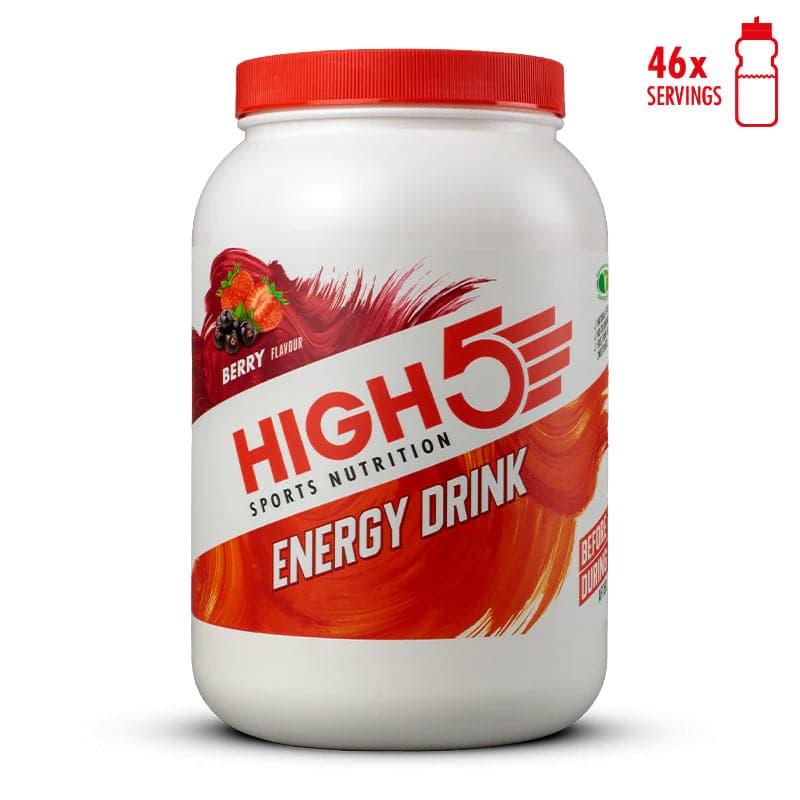
Carbohydrate-rich food is bulky. Most athletes find 700 g of carbohydrate hard to eat, so they fall short. The trick is to drink part of it:
For runners
Drink about 500 ml of Energy Drink every 2 to 3 hours during the day and eat two or three Energy Bars. That gives you around 350 g of carbohydrate; your normal meals provide the rest.
For cyclists and triathletes
Each morning drink 750 ml of Energy Drink, wait 30 minutes, then warm up easily on the bike for 10 minutes and finish with one 3-minute sprint, which encourages your body to store carbohydrate. During the day, drink 500 ml of Energy Drink and eat one Energy Bar every three hours. Over 12 hours this gives about 360 g of carbohydrate, and your normal high-carbohydrate meals provide the rest.
Good foods to eat
Rice, pasta, noodles, bread, potatoes and sweet potato are all good. In Hong Kong, plain congee, steamed rice and noodle soup are easy choices that most people tolerate well. Avoid unfamiliar dishes and very spicy, oily or high-fibre foods the day before a race. Energy Gummies can add carbohydrate between meals without filling you up.
Hydration
Keep drinking through the loading days. Carbohydrate is stored with water, and in Hong Kong's climate you may sweat even on rest days. Include a little salt, and see our guide to electrolytes in Hong Kong's heat.
Then race day
Put your plan into action with our marathon fuelling plan, and work out your gels with how many gels for a marathon.
Get the products
High5 is sold in shops and clubs across Hong Kong, and online at Streamline Sports. These are general guidelines, not medical advice; people with diabetes or other conditions should check with a doctor first.
Common questions
How many days should I carb load?
About three days. Ease training 4 to 5 days out, then raise your carbohydrate intake, reaching about 10 g per kg of body weight in the last two days.
How many grams of carbohydrate should I eat?
High5 suggests about 10 g per kilogram of body weight a day in the final two days, so 700 g for a 70 kg athlete. If that is too much, get as close as you comfortably can.
Do I need to carb load for a 5K or 10K?
No. Short races do not use up your stored carbohydrate. A balanced diet and good hydration are enough.
What are the best foods for carb loading?
Familiar, easy-to-digest carbohydrates such as rice, pasta, noodles, bread and potatoes. Avoid new foods and very oily, spicy or high-fibre meals before the race.